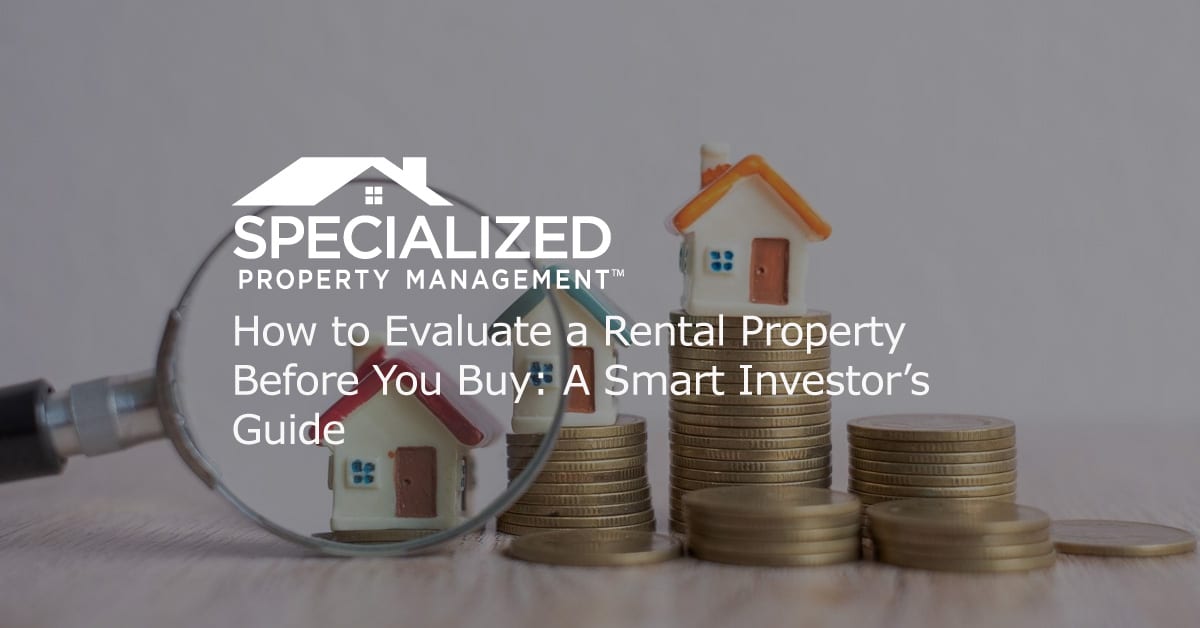
Buying a rental property is one of the most powerful ways to build long-term wealth, but success starts with choosing the right property. As experienced property managers, we’ve seen firsthand what separates profitable investments from money pits. At Specialized Property Management Dallas, we work closely with investors to ensure they make smart, informed decisions—and it all begins with a proper evaluation.
In this guide, we’ll walk you through the key factors to consider before purchasing a rental property in Dallas, so you can maximize your returns and minimize costly mistakes.
Why Pre-Purchase Evaluation Matters
A rental property isn’t just a home—it’s a business. Like any business, its profitability depends on your ability to:
- Buy at the right price
- Rent at a competitive rate
- Control operating costs
- Attract and retain good tenants
Fail to evaluate a property thoroughly, and you may find yourself saddled with low cash flow, high maintenance costs, and long vacancies. But with the right due diligence, you can invest confidently and profitably.
1. Understand the Local Market
Before looking at specific properties, evaluate the market where you plan to invest. Key questions to ask:
- Is the population growing or declining?
- Are rental demand and occupancy rates high?
- What’s the job market and economic outlook like?
- What is the average rent in the area?
- Are there good schools, amenities, and public transportation?
We recommend studying at least 3-6 months of local rental trends and consulting a property management firm with boots-on-the-ground insights (like us).
2. Evaluate the Property’s Cash Flow Potential
Cash flow is king. A property might look appealing on the surface, but if the numbers don’t work, it’s not a good investment. Analyze:
Income:
- Expected monthly rent (based on comps)
- Additional income (parking, laundry, etc.)
Expenses:
- Mortgage (PITI)
- Property taxes
- Insurance
- Property management fees
- Maintenance and repairs
- HOA dues (if applicable)
- Vacancy and turnover allowance
- Electrical Bills
Formula: Net Monthly Income = Gross Rent – Total Expenses
If your monthly cash flow is positive—and ideally scalable—you’re on the right track.
3. Know Your Cap Rate and Cash-on-Cash Return
These two metrics are crucial for evaluating investment performance:
Capitalization Rate (Cap Rate):
Cap Rate = Net Operating Income (NOI) ÷ Property Price
This tells you the return on the asset without factoring in financing. A good cap rate typically ranges from 5% to 10%, depending on the market.
Cash-on-Cash Return:
Cash-on-Cash = Annual Pre-Tax Cash Flow ÷ Total Cash Invested
This focuses on your actual returns based on the money you put down. Most investors aim for at least 8%+.
4. Assess Property Condition and Age
Older properties may come with lower purchase prices but higher maintenance costs. Evaluate:
- Roof age and condition
- HVAC and plumbing systems
- Foundation and structural integrity
- Electrical panels and wiring
- Signs of water damage or pest issues
If the inspection reveals significant deferred maintenance, get repair estimates before committing. A fixer-upper isn’t a deal if it drains your capital.
5. Run a Rental Market Analysis
Understanding how your potential rental stacks up to the competition is key. Look at:
- Comparable rental listings nearby
- Price per square foot
- Vacancy rates in the neighborhood
- Amenities and features tenants expect (AC, updated appliances, pet-friendliness, etc.)
A good rule of thumb: If your rental is average or below average in features, it must be below average in price to stay competitive.
6. Research Local Laws and Regulations
Each city or state has its own rules that affect landlords. Before buying, investigate:
- Zoning and short-term rental restrictions
- Rent control laws
- Eviction processes and tenant rights
- Licensing or inspection requirements
Working with a local property manager helps you stay compliant and avoid costly surprises.
7. Evaluate Property Management Compatibility
If you plan to hire a professional manager (and we recommend you do), consider whether the property is suited for hands-off ownership. Factors include:
- Distance from your residence
- Ease of access for maintenance
- Tenant demand
- Scalability for portfolio growth
We work with investors to ensure each property we manage supports their financial goals and can be operated efficiently.
8. Don’t Forget Appreciation and Exit Strategy
While cash flow is essential, appreciation contributes significantly to your long-term wealth. Look for:
- Neighborhoods with upcoming development
- School and infrastructure improvements
- Areas historically known for steady value growth
Also, consider your exit plan:
- Will you hold long-term?
- Plan to do a 1031 exchange?
- Flip after appreciation?
Planning for the end helps shape smarter decisions from the start.
How We Help Rental Property Investors Make Smarter Purchases
At Specialized Property Management Dallas, we assist new and seasoned investors in making profitable decisions. When you partner with us, you gain access to:
- Local rental market expertise to validate pricing and demand.
- Rental rate analysis to ensure realistic cash flow projections.
- Maintenance evaluations to help you budget for repairs.
- Compliance guidance to navigate regulations with confidence.
- Portfolio planning support to help you scale sustainably.
We’ve managed thousands of properties and know what works in the real world. Let us help you evaluate potential purchases and set you up for long-term success.
Buying and managing a rental property in Dallas is a big decision—and a big opportunity. But not every property is a good investment. By carefully evaluating the market, crunching the numbers, and planning for both short- and long-term success, you can build a profitable real estate portfolio.
At Specialized Property Management Dallas, we’re more than just property managers. We’re strategic partners for rental property investors like you. Whether you’re buying your first property or your fiftieth, we’re here to help you make smarter decisions and achieve your financial goals.
Reach out today to learn how we can help you evaluate your next investment and take the next step toward lasting wealth.
Visit our website or call us at: 972-233-1888
Call Today For A Free Management Quote