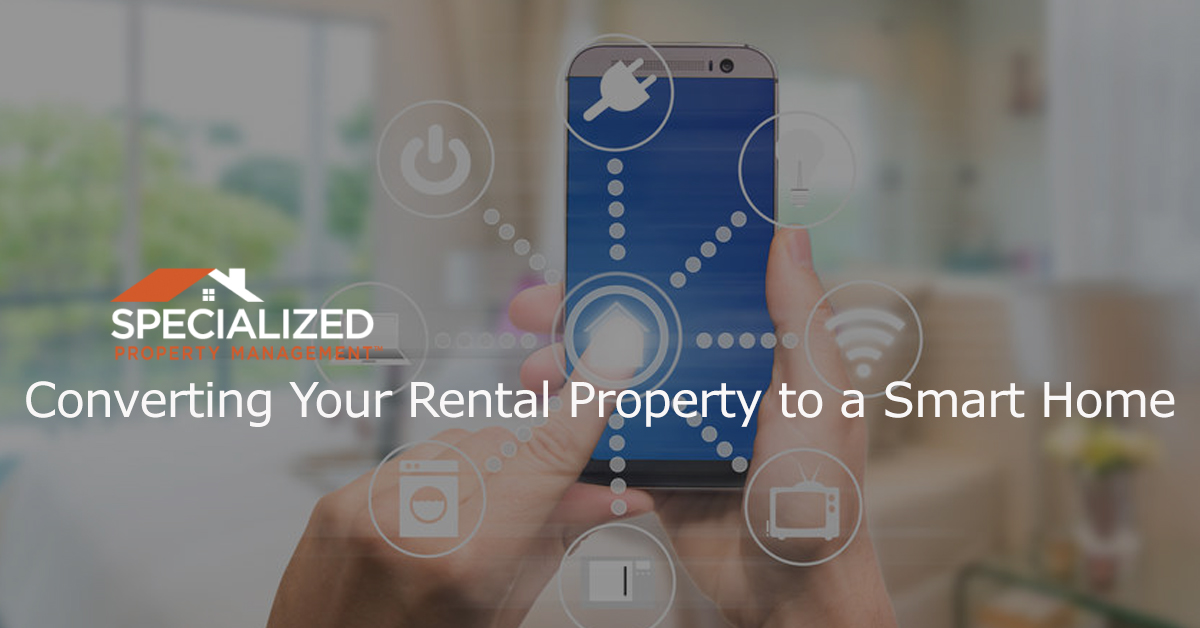
One of the perhaps unintended side effects of the COVID-19 pandemic is how technology has been implemented to improve security, convenience, health, and safety. Many landlords and real estate investors have incorporated ‘smart’ features into their rental homes, where maybe they would not have done so pre-COVID. This technology is easy to install for everyone, with a set and forget configuration activated through the internet. This means that owners or property managers can quickly incorporate linked devices into rental properties to manage them efficiently. The benefits of smart technologies extend not only to property owners but to tenants as well. Renters enjoy added convenience and cost savings, which is why prospective tenants tend to gravitate towards these properties in droves. However, home automation can have its pitfalls for landlords. There is also the question of whether the investment is worth it. Let’s examine the pros and cons to making your rental property a smart home, to determine the best approach for your circumstances:
An Automated Security System
Pros
Rental properties can certainly benefit from an automated security system. Such systems feature automated alarms and lighting, as well as cameras that you can view remotely. These systems are a particularly good choice for multiunit properties, with several points of entry and communal areas. They are proven to deter burglars and enable landlords to monitor their premises round the clock, from any location.
Cons
While security cameras can give you peace of mind, it is important to do your research before purchasing a system. Occasionally, a wireless security system will trigger a false alarm, due to interference from nearby wireless devices. Moreover, a wireless system can be targeted by hackers. Prior to installing one of these systems, you should implement every measure to keep the system safe. Select a strong username and password, and check that the network you operate the system on is secure.
Energy Saving Smart Home Technology
Pros
You can increase your profits as a landlord, by lowering your energy expenses. If your tenants pay the utility bills, smart cooling and heating options in the property can make it more attractive. People who are environmentally conscious might opt for your property over another one. If you pay the utility bills in your rental property, a smart thermostat will cut down on waste. Also, it will enable you to control the temperature based on weather patterns, time of day, and usage.
Smart LED lightbulbs are recommended for communal areas like entryways, outdoor walkways, and hallways. Compared to incandescent or fluorescent bulbs, they consume much less electricity — particularly when you factor in their programmability. In addition, LEDs do not emit much heat, so they are less likely to cause a fire than other types of interior lighting.
An energy monitor is another beneficial option. These devices are fixed to circuit breakers inside properties, and they can record energy use in different rooms. Again, if you pay the utility bills in your rental property, this is an excellent way of identifying the rooms that use the most electricity. Also, it will help you find faulty wiring and other issues before they get worse.
Cons
Although smart home tech is not completely unaffordable, it is still a notable expense for independent landlords. You could find yourself spending over $500 to completely outfit your rental unit, but of course, this depends on what products you buy. Fortunately, the reduced energy bills can help to recoup these expenses in the long run. Also, you might save money on your insurance if you install certain devices. Your property will also have more appeal and demand higher rental fees if it is connected and energy-efficient.
A Smart Irrigation System
Pros
Landlords can use smart irrigation systems to give their landscape the water it requires, without relying on tenants or maintenance teams to water it regularly. Modern systems are much more sophisticated than timed sprinklers. You can set them up to synchronize with weather forecasts. Also, they can factor in precipitation and temperature variables, then amend water levels appropriately. On location, sensors are included with certain models, which calculate soil moisture levels to measure water usage. Other models can be installed with several ‘hydrozones’, to ensure that flowers and desert plants receive more and less water, respectively.
Cons
A large investment is needed to set up an automated irrigation system. These systems have a number of things that can malfunction, and it is quite expensive to replace or repair them if anything happens. The maintenance costs are fairly high too. In addition, it is vital to assess the requirements of a rental unit — lots of properties have basic landscaping that won’t benefit from an advanced system.
Final Thoughts
An energy-efficient rental home can save you and your tenant’s money, and improve safety, especially important during the COVID pandemic. It can make your life more convenient and put your mind at ease as well. Of course, sometimes there is nothing that can replace traditional and dependable methods. This is why you should analyze the costs and benefits of smart devices to decide whether they are the right option for your rental home.
Are you looking for a property management company in Dallas? Let Specialized Property Management Dallas make your life easier with our effective property management services! We have helped thousands of property managers in Dallas maximize their profits while minimizing their headaches. Contact your Specialized Property Management Dallas team today at 214-233-7572!